I accomplished this task by reading my HVAC book. I read the diagnosis chapters, along with the theory chapters, to help me understand how the AC system works, and how to figure out what kind of problems it could have, and how to correct those problems. Also, I learned alot of AC system diagnosis by completing all of the assigned ARGO. I also did hands on work on AC systems on the cars in the shop when I was completing all the assigned job sheets.

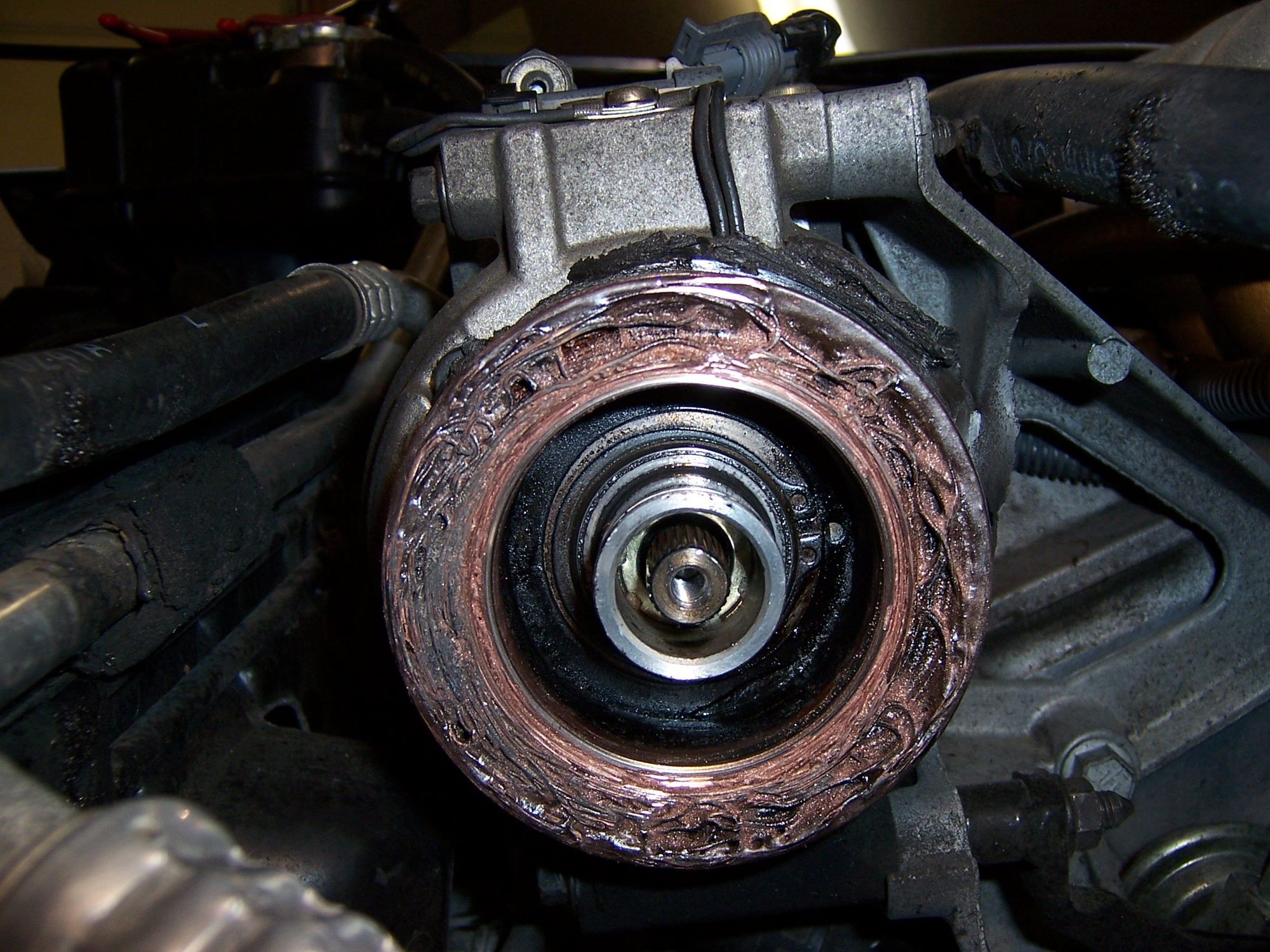
A4. Identify abnormal operating noises in the A/C system; determine needed action.
I accomplished this task by reading the AC system diagnosis chapters in the HVAC book, and learning what kinds of noises are normal, and what kind of noises are considered abnormal operating noises. For example I learned what kind of a noise a slipping compressor clutch would make. I also did some online research into various sounds to be heard from the AC system, and which noises mean what.
B 4. Identify hybrid vehicle A/C system electrical circuits and service/safety precautions.
Although we did not do much with hybrids in the shop or in class, I did read a little bit about hybrid vehicle AC systems. I accomplished this task by reading about hybrid electrical systems on a forum. I learned about variable speed AC compressors. I read about a page worth of knowlege about the Gen II Prius HVAC system.
B5. Determine need for an additional A/C system filter; perform needed action.
I accomplished this task by reading the AC system service chapters in the HVAC book. I have learned that if there has been a compressor failure or a ruptured dessicant bag, it would be the proper thing to do to install an additional AC system filter to filter out the contaminants from the system. I also did some online research on kinds of filters, such as the Robinair spin on filter.

B6. Remove and inspect A/C system mufflers, hoses, lines, fittings, O-rings, seals, and service valves; perform needed action.
I accomplished this task by reading chapter seven, which deals with hoses, lines, and fittings, and mufflers and O rings and various other components. I learned how to remove and inspect these things when I removed the accumulator on the Ford Ranger in the shop, and when I removed the condenser on the Subaru Legacy in the shop.I inspected O rings and lines.

B7. Inspect for proper A/C condenser airflow; determine needed action.
I accomplished this task by reading chapter 9 which had to do with evaporators, condenser, accumulators, and receiver driers. I read a good deal bout condensers and how they work, and how critical it is that the condenser has proper air flow. I inspected the cooling fins on the condenser that I pulled out of the Subaru Legacy in the shop for dirt buildup and bent fins which would negatively impact the airflow through the condenser.

B8. Remove, inspect, and replace receiver/drier or accumulator/drier; determine recommended oil type and quantity.
I accomplished this task by reading chapter nine in the HVAC book that had to do with evaporators, condensers, accumulators, and receiver driers. I learned a good deal about accumulators and receiver driers and how they worked by completing the ARGO modules that had to do with accumulators and receiver driers. I did some hands on work in the shop when I removed, inspected and reinstalled the accumulator on the Ford Ranger in the shop. I looked up the correct type of oil on a subaru forum, and it turned out to be PAG 46. And the recommended quantity of oil was the same as I took out of it.

B9. Remove, inspect, and install expansion valve or orifice (expansion) tube.
I accomplished this task by reading chapter 10, which had to do with control valves and switches. I read a great deal about expansion valves and their operation. I also read a little bit about fixed orifice tubes, and where they are installed. I did some hands on work on the Bonneville in the shop. I removed the fixed orifice tube, inspected the orifice tube, and the O ring, and reinstalled it. I also did some ARGO modules that had to do with the control valves.

B10. Inspect evaporator housing water drain; perform needed action.
I accomplished this task by reading chapter nine in the HVAC book that had to do with evaporators, condensers, accumulators, and receiver driers. I learned that when an evaporator is working, it tends to form some condensation on the outside of it. This water has to run out of the evaporator housing drain. This is done using a water drain. I inspected the water drain on the Jeep Grand Cherokee in the shop.

B11. Diagnose A/C system conditions that cause the protection devices (pressure, thermal, and/or control module) to interrupt system operation; determine needed action.
I accomplished this task by reading the chapter in the HVAC book that dealt with the pressure release switches and the melting thermal plug. Although they are no longer in use I guess it is necessary to know about them and how they worked. I also learned a good deal of information about cutoff switches and how they come on if the pressure drops too low or if it spikes too high.

I accomplished this task by reading chapter nine in the HVAC book that had to do with evaporators, condensers, accumulators, and receiver driers. I learned that it is very difficult to remove an evaporator core. I looked up the removal and replacement procedure on a 2005 Chevy Impala. I also looked up the proper refrigerant oil in ALL DATA.

B13. Remove, inspect, reinstall, and/or replace condenser; determine required oil type and quantity.
I accomplished this task by reading chapter nine in the HVAC book that had to do with evaporators, condensers, accumulators, and receiver driers. I also accomplished this task by doing some hands on work in the shop on the Subaru Legacy. I removed, inspected, and reinstalled the condenser on that vehicle. I also measured the amount of PAG 46 that came out of the condenser. I looked up the proper type of refrigerant oil on the internet.

C1. Inspect engine cooling and heater systems hoses and pipes; perform needed action.

C2. Inspect and test heater control valve(s); perform needed action.
I accomplished this task by reading a section of chapter 20 that had to do with heater service and shutoff valves. I also did some hands on work in the shop on the Honda Odyssey. I inspected the heater core shutoff valve that sat just in front of the fire wall in the engine bay. I removed the cable and checkd for binding in the valve. Finding none, I reinstalled the cable. In this way I verified the proper operation of the shutoff valve.

C3. Diagnose temperature control problems in the HVAC system; determine needed action.
I accomplished this task by reading the HVAC book's section on temperature control system diagnosis. I learned that the control systems use vacuum or servo motors to control the position of the blend door. A problem could result if something was dropped in the vents, and got stuck in the blend door, and did not allow for proper temperature control. I also learned a whole lot about the temperature loop. the loop consists of four actions done continuously to keep the passenger compartment at a fixed temperature. The sensor continuously detects, changes in temperature, sends a signal to the control module, and the module sends a signal to the blend door operating motor or any other temperature control device.
I accomplished this task by reading chapter 20's section on heater service. I read a great deal about the heater core service and repair. I also learned that it is a difficult process to remove and replace a heater core on most vehicles out there. I researched a removal and installation procedure on a 2005 Chevy Impala with the 3.8 L V6. It was a long procedure.

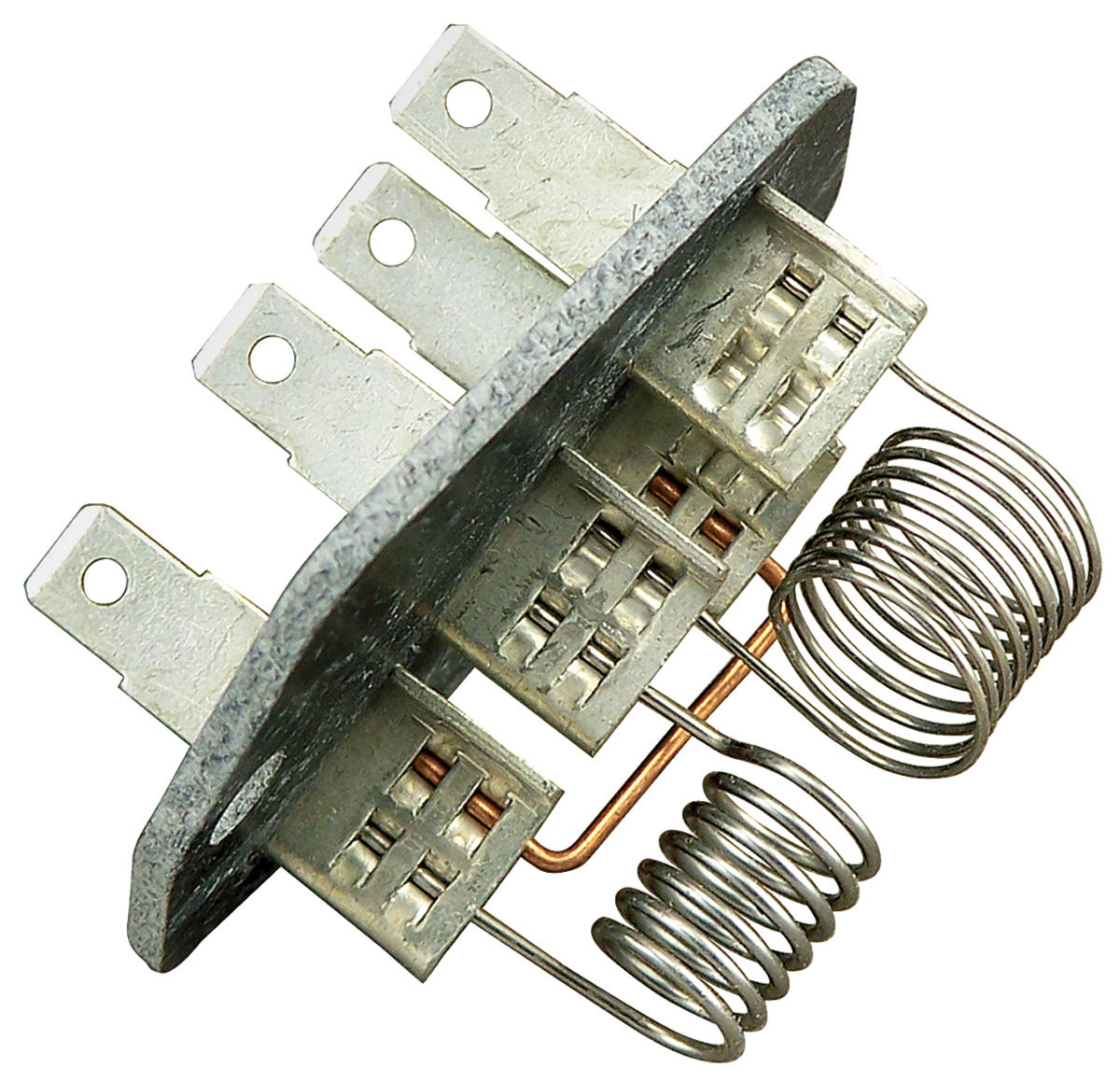
D1. Inspect and test HVAC system blower motors, resistors, switches, relays, wiring, and protection devices; determine needed action.
I accomplished this task by reading chapter 12. Chapter 12 has to do with the air delivery system. I read the sections on blower motors and resistor packs, switches and relays I learned how to diagnose problems that would cause the blower motor to function on only a few speed settings, or not at all. I did some hands on work on the Jeep Grand Cherokee. I tested the blower motor functionality, and determined needed action. I also jumper wired it to make it move.
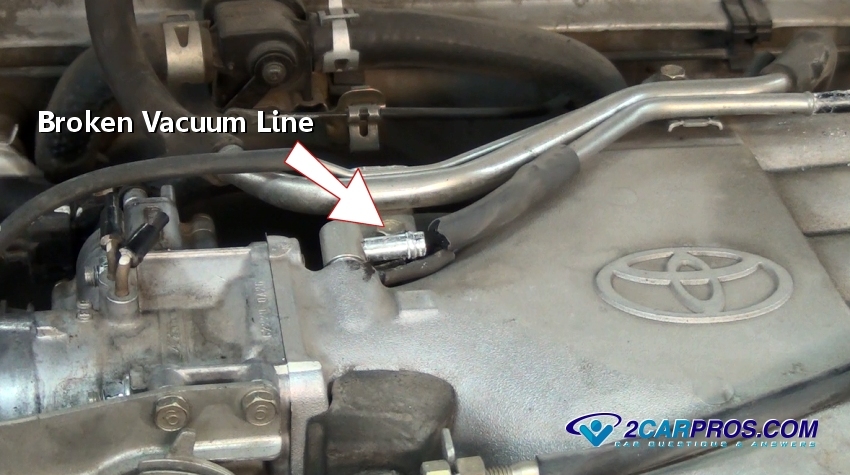
D3. Diagnose malfunctions in the vacuum, mechanical, and electrical components and controls of the heating, ventilation, and A/C (HVAC) system; determine needed action.
I accomplished this task by reading chapter 12, especially the portion of chapter 12 that had to do with air ducts, evaporator cases, and air doors and their operation devices. I did some work on the Ford Ranger's vacuum motors for the air duct doors. I used a vacuum gauge to measure the vacuum available in the vacuum lines to move the vacuum motors. I did this with the engine on, because the vacuum that is used to operate the vacuum doors comes from the engine vacuum. I also further accomplished this task by paying attention during the little presentation about the vacuum motors.
D4. Inspect and test HVAC system control panel assembly; determine needed action.
I accomplished this task by reading about the HVAC system control panels in the HVAC book. I also learned about manual and automatic HVAC control panels on ARGO. I inspected the HVAC control panel on the Jeep Grand Cherokee. I tested the blower motor on all speeds, made sure that the air came out of the selected ducts, and I listened for abnormal operating noises.

D5. Inspect and test HVAC system control cables, motors, and linkages; perform needed action.
I accomplished this task by reading about control cables and linkages and vacuum motors in the HVAC book. I also accomplished this task by listening in class during the part about cable linkages and stuck blend doors. I also did some research online about common problems that cause damage to the blend door control lever.

D6. Inspect HVAC system ducts, doors, hoses, cabin filters, and outlets; perform needed action.
I accomplished this task by completing the cabin air filter job sheet in the lab. I did this job sheet on the Silver Ford Taurus in the shop. I removed, inspected, and reinstalled the cabin air filter. It was located right under the windshield wiper grille. I learned how to do this by looking up the procedure on All Data.

D7. Identify the source of HVAC system odors.
I accomplished this task by reading about mildew build up on the evaporator in the HVAC book. I learned that sometimes there is a build up of mildew on the evaporator in the case, which causes a foul musty smell coming from the vents during normal operation. This can be solved by using a system deodorizer which essentially pumps a vapor into he air inlet on the evaporator and runs the vapor through the vents and cleanses the evaporator.


